A Beginner’s Guide to Professional Teeth Whitening At-Home Treatment
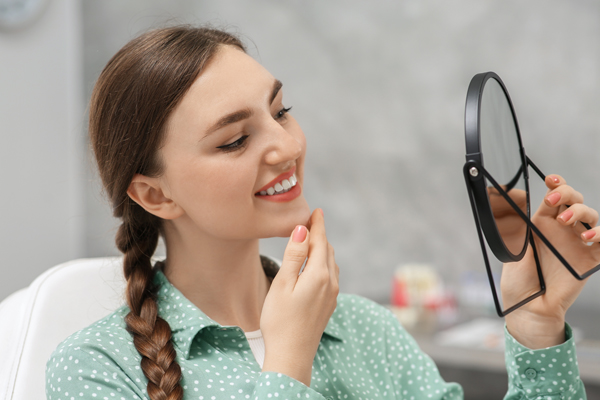
Achieving a radiant smile through professional teeth whitening at home remains one of the most effective ways to enhance confidence while enjoying the comfort of a personal schedule. Many individuals desire a brighter aesthetic but prefer the convenience of managing their own treatment timeline rather than spending hours in a dental chair. With a structured plan and the right materials, the journey toward a more vibrant smile feels simple, predictable, and remarkably comfortable.
The advantage of professional at-home teeth whitening
Professional at-home whitening is a high-potency bleaching system offered by a general dentist, typically featuring custom-molded trays. These custom trays fit the unique contours of the mouth, ensuring the whitening gel maintains consistent contact with the enamel while avoiding sensitive gum tissue. This customized approach also includes a professional evaluation to determine the specific strength of the gel and the ideal wear time for each individual. Unlike the over-the-counter (OTC) strips that boast a one-size-fits-all approach and often slip or miss certain teeth, the custom fit supports a perfectly even result across the entire smile.
The ideal professional teeth whitening candidate
Most adults are eligible for professional teeth whitening when the teeth and gums are in good condition. Issues such as active cavities, worn enamel, or recessed gumlines require a solution before treatment begins, as the whitening gel can cause sharp discomfort if it comes into contact with exposed dentin. Further, people with a history of significant sensitivity often benefit from a desensitizing pretreatment to prepare the enamel for the whitening process. Regardless, all patients should focus on maintaining a healthy foundation to ensure the cosmetic enhancement proceeds without unnecessary physical setbacks.
The professional process from start to finish
While this is an at-home treatment, the journey still begins with a comprehensive exam and a shade assessment to document the starting point of the enamel. The dental team creates a digital scan or a physical impression of the teeth to fabricate the custom trays in a laboratory. Once the trays are ready for pickup, the office provides the patient with the whitening gel and detailed instructions for safe application. Many systems require wearing the trays for a set period each day or for several hours at night, depending on the concentration of the active ingredients.
Consistency in application produces a far better result than attempting to whiten the teeth too quickly with excessive amounts of gel. Overuse of the product can cause temporary gum irritation and increased sensitivity, without improving the final shade. The dentist remains available to adjust the schedule or the gel strength if the patient experiences discomfort during the process. This oversight represents a major reason why professional systems feel safer and deliver more reliable outcomes than OTC alternatives.
Managing sensitivity and gum health
Sensitivity remains a common side effect during the first several days of any teeth whitening routine. The active ingredients temporarily open the microscopic pores in the enamel, allowing the teeth to respond more strongly to cold air or temperature changes in food. Consistently using a high-quality desensitizing toothpaste for two weeks before starting the process often reduces these sensations. If discomfort occurs, spacing out the sessions to every other day allows the teeth to adjust without losing progress on the final shade.
Gum irritation typically occurs when too much gel squeezes out of the tray and onto the soft tissues. Applying only a small, teardrop-shaped dot of gel to each tooth compartment of the tray prevents overflow. If the gums appear white or feel tender after a session, a shorter wear-time or a lower-strength formula usually resolves the issue. If prolonged discomfort occurs, stop using the product and contact the dentist immediately.
Maintaining results long-term
A brighter smile can last for many months or even years, but the long-term longevity depends entirely on daily lifestyle habits. Certain staining culprits, such as espresso, balsamic vinegar, and dark berries, can re-stain the enamel if consumed frequently without rinsing. Avoiding dyes in food and beverages for the first 48 hours after a whitening session helps ensure the enamel pores close without trapping new pigments.
Additional tips include:
- Utilize a straw when drinking dark beverages to minimize contact with the front teeth.
- Rinse the mouth with water immediately after consuming acidic or highly pigmented foods.
- Maintain a regular schedule of professional cleanings to polish away new surface stains.
Occasional touch-up sessions with the custom trays help refresh the shade as needed throughout the year. Most patients find that a single day of teeth whitening every few months keeps the enamel at the desired level of brightness. The dentist provides guidance on how often to refresh the smile, based on the patient's specific stain risk and sensitivity history.
Schedule an appointment
Professional at-home whitening offers a convenient, effective way to brighten the smile with dentist-guided safety and a custom-fitted experience. Are you interested in starting the path to a brighter smile? Contact our office for more information or to schedule an appointment.
Request an appointment here: https://818smiledental.com or call 818 Smile Dental Group at (818) 350-8152 for an appointment in our Northridge office.
Check out what others are saying about our dental services on Yelp: Teeth Whitening in Northridge, CA.
Related Posts
Dental implants can prevent tooth loss from affecting oral health, facial structure, and overall quality of life. While tooth replacements like traditional dentures and dental bridges provide functional and aesthetic improvements, implants offer superior advantages in durability, jawbone preservation, and smile aesthetics. Understanding these benefits can reveal whether dental implants are your best option for…
Deciding to find a dentist for your specific dental needs should not be challenging at all. Finding a provider who can help improve or maintain your oral health can take some time. Sorting through a pool of dental professionals needs some strategy. Below are some pointers to consider when you set out to find a…
One of the top priorities of dentistry is to fight cavities. Your teeth are essential for eating your favorite foods and showing off a bright smile, and cavities put you at risk of losing your pearly whites. Fortunately, regular visits to your dentist can keep your teeth healthy.You can take care of your teeth at…
A consultation with a cosmetic dentist is the essential first step in achieving a radiant, confident smile. If you are looking to restore your smile, these personalized treatment plans can address multiple concerns, including discoloration, chips, misalignments, and missing teeth. The following blog outlines what you can expect during this initial appointment and helps you…